









You’ve probably seen it tucked under a piece of sashimi, wrapped around a bite of grilled meat, or listed on a menu with zero explanation — and walked away wondering, “What exactly is shiso?”
You’re not the only one. Shiso’s is one of those ingredients that shows up constantly in Japanese, Korean, and Vietnamese cooking, yet most people outside those kitchens have never learned what it actually is, how it tastes, or why chefs are obsessed with it. To make things more confusing, “Shiso” is now also the name of one of Miami’s most talked-about restaurants — which means a single search for “shiso” can turn up a leafy green herb and a Wynwood rooftop with equal authority.
This guide untangles all of it. You’ll learn exactly what shiso’s is, how it tastes, how green and red varieties differ, how to cook with it, how to grow your own shiso’s plant at home step by step, and what’s behind the Miami restaurant borrowing its name — all in one place, without the guesswork.
What Is Shiso?
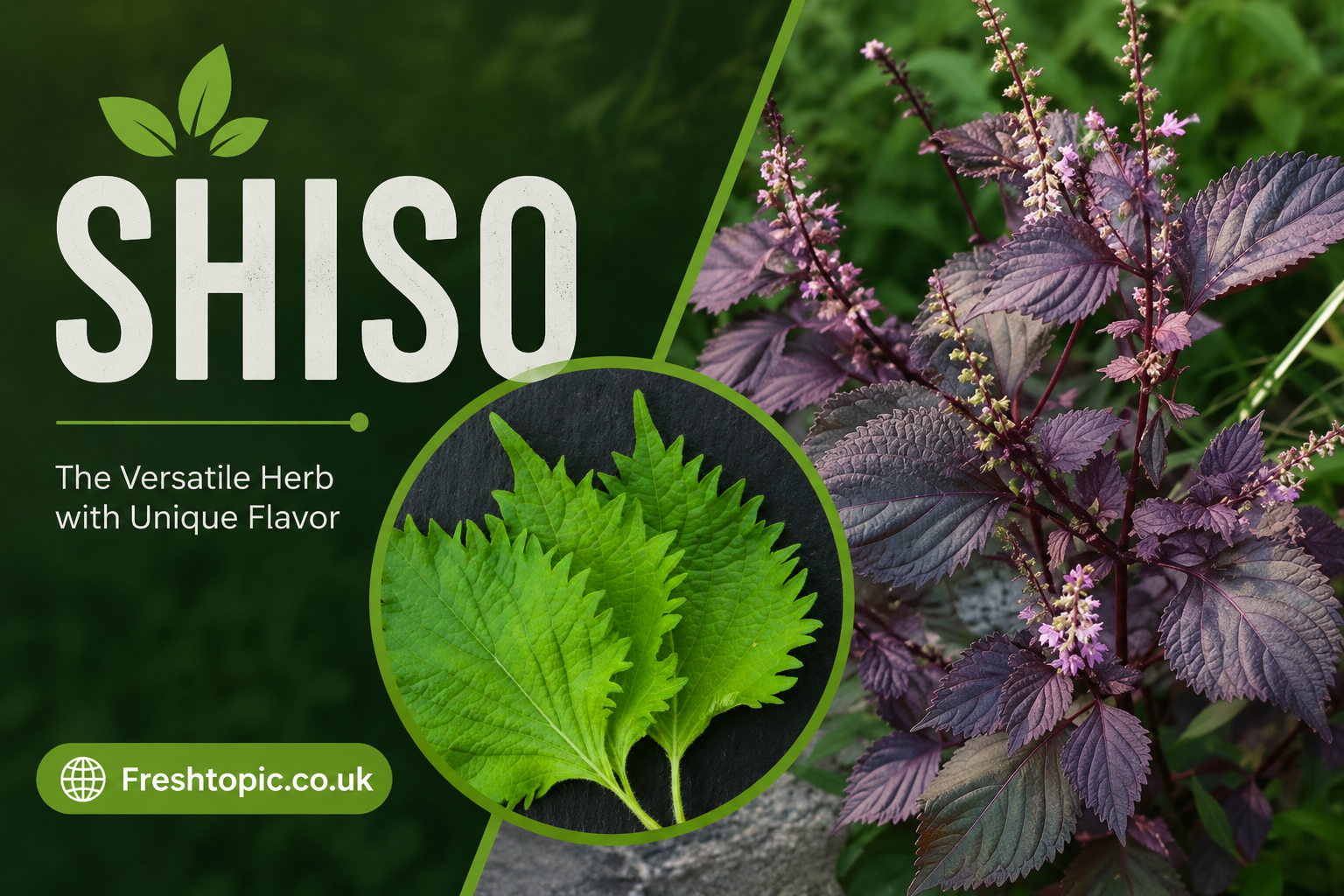
Shiso’s is a fragrant, leafy herb (Perilla frutescens) in the mint family, widely used in Japanese, Korean, and Vietnamese cooking. It’s known for a distinctive flavor often described as a cross between mint, basil, and citrus, and it comes in green and red (purple) varieties.
Shiso’s is also known by other names depending on the cuisine and region: ooba or perilla in some contexts, kkaennip in Korean cooking (technically a closely related perilla variety), and tía tô in Vietnamese cuisine. While these plants aren’t always botanically identical, they belong to the same family and are frequently grouped together in casual conversation. & more blogs to see neural .
Shiso’s Flavor Profile
If you’ve never tasted shiso’s, here’s the clearest way to describe it: imagine mint, basil, and a hint of cumin and citrus all overlapping in one leaf. It’s herbaceous and slightly peppery, with a cooling finish similar to mint but without the same sweetness. This complexity is exactly why it’s used so widely as both a garnish and a flavor-building ingredient rather than a background herb.
Green Shiso vs. Red Shiso
| Feature | Green Shiso (Ao-Shiso) | Red Shiso (Aka-Shiso) |
|---|---|---|
| Color | Bright green | Deep reddish-purple |
| Flavor | Milder, fresher, more citrus-forward | Slightly more astringent, earthier |
| Common uses | Garnish for sashimi, tempura, salads | Pickling (especially umeboshi), coloring agent |
| Availability | More common in restaurants and produce markets | Often found dried or as a seasoning (yukari) |
Both varieties come from the same plant family, but they’re used quite differently in the kitchen — green shiso’s leans toward fresh, raw applications, while red shiso’s is more commonly cooked, pickled, or dried into seasoning blends.
How Shiso Is Used in Cooking
Shiso’s shows up far beyond the sushi counter once you start looking for it.
Popular Dishes Featuring Shiso Leaf
- Sashimi and sushi rolls — a fresh green shiso leaf is a classic garnish and wrap for raw fish.
- Tempura — whole shiso leaves are battered and fried for a crisp, aromatic bite.
- Onigiri (rice balls) — chopped shiso’s is mixed into the rice or used as a wrap.
- Umeboshi (pickled plums) — red shiso’s leaves give umeboshi its signature reddish hue and tangy depth.
- Korean bossam and ssam wraps — perilla leaves (a close relative) are used to wrap grilled meat, similar to lettuce wraps.
- Cocktails and drinks — bartenders increasingly muddle or infuse shiso for its herbal, citrusy notes.
Shiso Substitutes
If you can’t find shiso’s, the closest substitutes depend on what you’re making:
- Fresh mint + basil (roughly 2:1) — the closest flavor approximation for raw applications.
- Thai basil — a reasonable substitute in cooked dishes, though slightly more anise-forward.
- Perilla leaf (Korean kkaennip) — if available, this is the most botanically similar option.
How to Grow Your Own Shiso Plant
One of the best-kept secrets about shiso’s is how easy it is to grow at home — even for beginners with limited garden space.
Step-by-Step Growing Guide
- Choose your variety. Decide between green and red shiso seeds based on how you plan to use it (fresh garnish vs. pickling/color).
- Start seeds indoors. Sow seeds about 6–8 weeks before your last expected frost date, pressing them lightly into soil since shiso seeds need light to germinate.
- Provide warmth and light. Keep soil consistently moist and place seedlings somewhere they’ll get bright, indirect light until they’re established.
- Transplant outdoors after frost risk passes. Shiso thrives in warm weather and partial sun to light shade — too much intense afternoon sun can stress young plants.
- Space plants properly. Give each plant roughly 12 inches of space, since shiso grows into a bushy, multi-stemmed plant.
- Water regularly. Shiso prefers consistently moist (not soggy) soil, especially during hot months.
- Harvest by pinching leaves. Start harvesting once the plant has several sets of leaves, picking from the outside in to encourage bushier growth.
- Pinch off flower buds. Once shiso starts to flower, leaf flavor becomes more bitter — pinching buds keeps the plant productive longer.
Common Growing Mistakes to Avoid
- Planting too early outdoors. Shiso’s is frost-sensitive and will die back quickly in cold snaps.
- Letting the plant go to seed too soon. This shifts the plant’s energy away from leaf production and toward flowering.
- Overwatering in poorly draining soil. Shiso likes moisture, but standing water can cause root rot.
- Ignoring how aggressively it self-seeds. Shiso can spread readily in garden beds if flower heads aren’t managed, so many home gardeners grow it in containers to keep it contained.
Shiso Nutrition and Health Benefits
Shiso’s leaves are low in calories and offer a meaningful amount of vitamin A, vitamin K, and antioxidant compounds like rosmarinic acid, which is also found in other members of the mint family. While shiso’s is typically eaten in small quantities as a garnish rather than a primary food source, it’s traditionally valued in Japanese and Korean food culture both for flavor and as a digestive aid alongside raw fish dishes.
Shiso, Miami: The Restaurant Behind the Buzz
If your search for “shiso’s” led you here because of a Miami restaurant recommendation, here’s the context: Shiso is also the name of a restaurant in Miami’s Wynwood neighborhood, led by chef Raheem Sealey (previously of the acclaimed Miami restaurant Kyu). Shiso’s Miami is known for blending Japanese cooking techniques with American wood-fired barbecue and Caribbean influences, served in a large indoor-outdoor rooftop space with a retractable roof.
The restaurant’s standout dishes frequently mentioned by diners and local food coverage include oxtail udon noodles, smoked brisket croquettes, and Chilean sea bass in coconut curry — a menu that reflects the same cross-cultural spirit as its herbal namesake. It’s a fitting name for a restaurant built around fusion cooking, since the shiso’s leaf itself sits at the intersection of several Asian culinary traditions.
If you’re in Miami and searching for it specifically, Shiso’s is located in Wynwood and is known for its lively rooftop atmosphere, making it as much a destination for drinks and ambiance as for the food itself.
Pros and Cons of Cooking With Shiso
| Pros | Cons |
|---|---|
| Distinctive flavor that’s hard to replicate | Not always available at mainstream grocery stores |
| Easy to grow at home, even in containers | Can be short-lived once it flowers |
| Works in savory dishes, pickles, and drinks | Flavor is polarizing for some first-time tasters |
| Nutrient-dense in small quantities | Fresh leaves spoil quickly after harvest |
Why This Matters
Shiso’s is a useful example of how ingredient literacy shapes the way people experience food, both at home and when dining out. Understanding what shiso actually is — rather than treating it as an unfamiliar garnish to push aside — opens the door to a wider, more confident relationship with Japanese, Korean, and Vietnamese cooking. It also matters for home gardeners: shiso’s is one of the more approachable specialty herbs to grow domestically, giving people access to an ingredient that’s otherwise hard to find fresh outside major cities.
Expert Recommendations
- Buy shiso where the freshest supply exists. Japanese and Korean grocery stores almost always carry it fresh, often more reliably than general supermarkets.
- Grow a container plant if you cook Asian food often. A single potted shiso plant can supply enough leaves for regular home cooking through the warm season.
- Pair red shiso with pickling projects. If you’re experimenting with homemade umeboshi or quick pickles, red shiso adds both color and tang that’s hard to replicate with substitutes.
- Use shiso as a finishing herb, not a cooked-through one. Its aromatic oils are most pronounced fresh — add it at the end of cooking or as a garnish rather than simmering it for long periods.
- If you’re trying Shiso the restaurant, ask about the rooftop seating. Multiple diners note the retractable-roof terrace as a key part of the experience, especially in the evening.
Conclusion
Shiso’s is a small leaf with an outsized role in Japanese, Korean, and Vietnamese kitchens — bright, herbaceous, and instantly recognizable once you know what to look for. Whether you’re trying to identify that garnish next to your sashimi, deciding between green and red shiso’s for a recipe, planting your own shiso plant this season, or simply trying to figure out what’s on the menu at Miami’s buzzy Wynwood restaurant of the same name, you now have the full picture in one place.
If you’ve never cooked with fresh shiso before, there’s no better time to try — pick some up at a Japanese or Korean grocer, or start a container plant of your own this spring.
FAQs
What does shiso taste like?
Shiso’s tastes like a blend of mint, basil, and citrus, with a slightly peppery, cooling finish. Green shiso’s is milder and fresher; red shiso is more earthy and astringent.
Is shiso the same as perilla?
Shiso’s and perilla come from the same plant family and are closely related, but they’re not always identical. Japanese shiso and Korean perilla (kkaennip) have different leaf shapes and flavor intensities, even though they’re frequently used interchangeably in casual conversation.
Can I grow shiso at home?
Yes. Shiso is one of the easier specialty herbs to grow, whether in a garden bed or a container. It needs warm weather, consistent moisture, and partial sun, and can be started from seed indoors 6–8 weeks before the last frost.
What is shiso used for in cooking?
Shiso’s is used as a garnish for sashimi and sushi, a wrap for rice balls, a battered tempura ingredient, a coloring and flavoring agent in pickled umeboshi plums, and increasingly as a fresh herb in cocktails.
Is Shiso in Miami related to the herb?
Yes, indirectly — Shiso is the name of a Wynwood, Miami restaurant led by chef Raheem Sealey that blends Japanese cooking techniques with American barbecue and Caribbean flavors. The name references the herb’s role in Japanese cuisine, which reflects the restaurant’s fusion concept.
Where can I buy fresh shiso leaves?
Fresh shiso’s is most reliably found at Japanese or Korean grocery stores, some specialty farmers markets, and occasionally at larger supermarkets with well-stocked Asian ingredient sections.
What’s the difference between green shiso and red shiso?
Green shiso’s is milder and commonly used fresh as a garnish, while red shiso’s has a more earthy, astringent flavor and is typically used in pickling (especially umeboshi) or dried into seasoning blends like yukari.
In Short
- Shiso (Perilla frutescens) is a fragrant herb in the mint family, widely used in Japanese, Korean, and Vietnamese cooking, with a flavor often compared to mint, basil, and citrus combined.
- Green shiso is milder and used fresh; red shiso is more astringent and typically used for pickling and coloring.
- Shiso is relatively easy to grow at home from seed, making it accessible even for beginner gardeners.
- Shiso Miami is a separate but related search intent — a Wynwood restaurant known for Japanese-inspired, wood-fired cooking with Caribbean influences.
- Whether you’re cooking with it or growing it, shiso rewards fresh, careful handling rather than heavy cooking.